Why 82% of Local Businesses Have Already Switched to AI
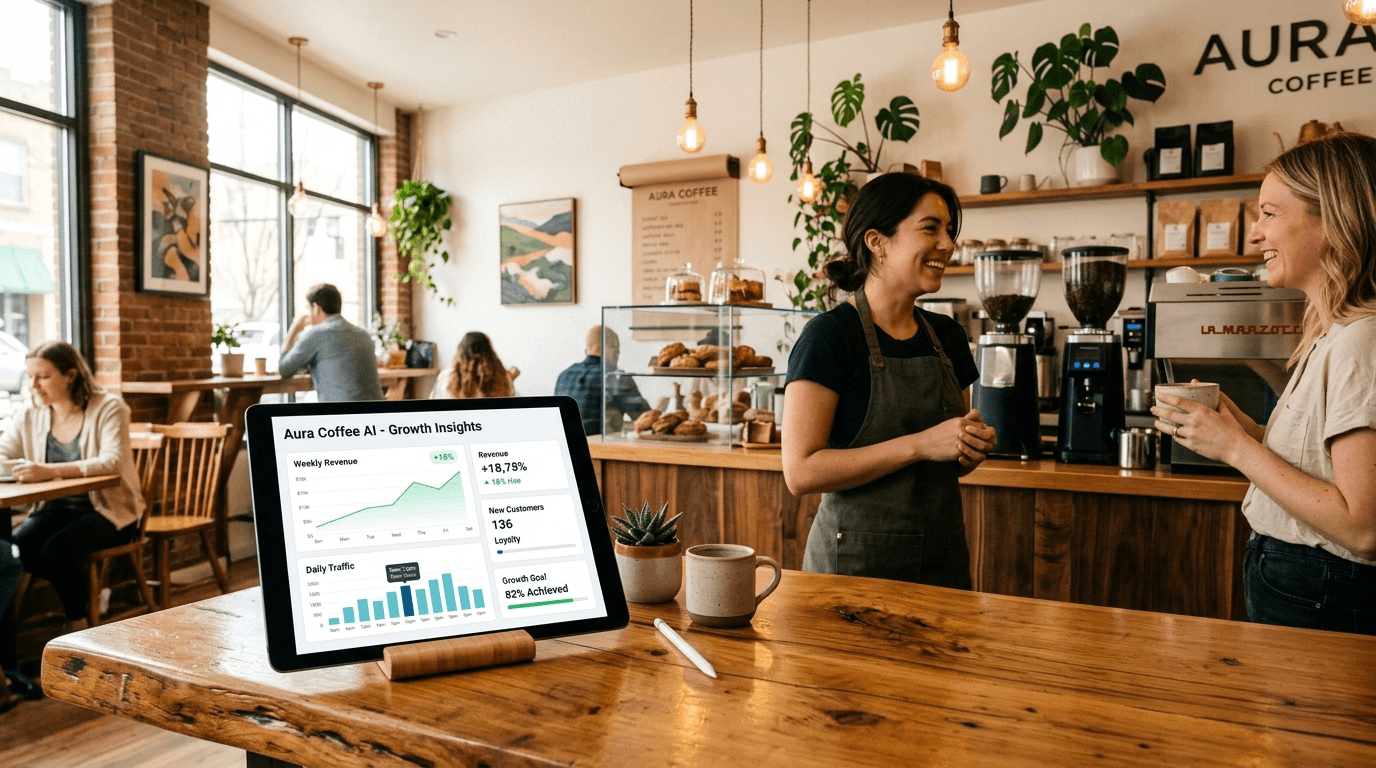
Recent data from the March 2026 Small Business Tech Use Survey reveals a staggering reality: 82% of small business employers have now invested in AI tools for local businesses. This isn't a trend reserved for Silicon Valley; it is the new operational standard for the dry cleaner down the street and the plumber in your contact list.
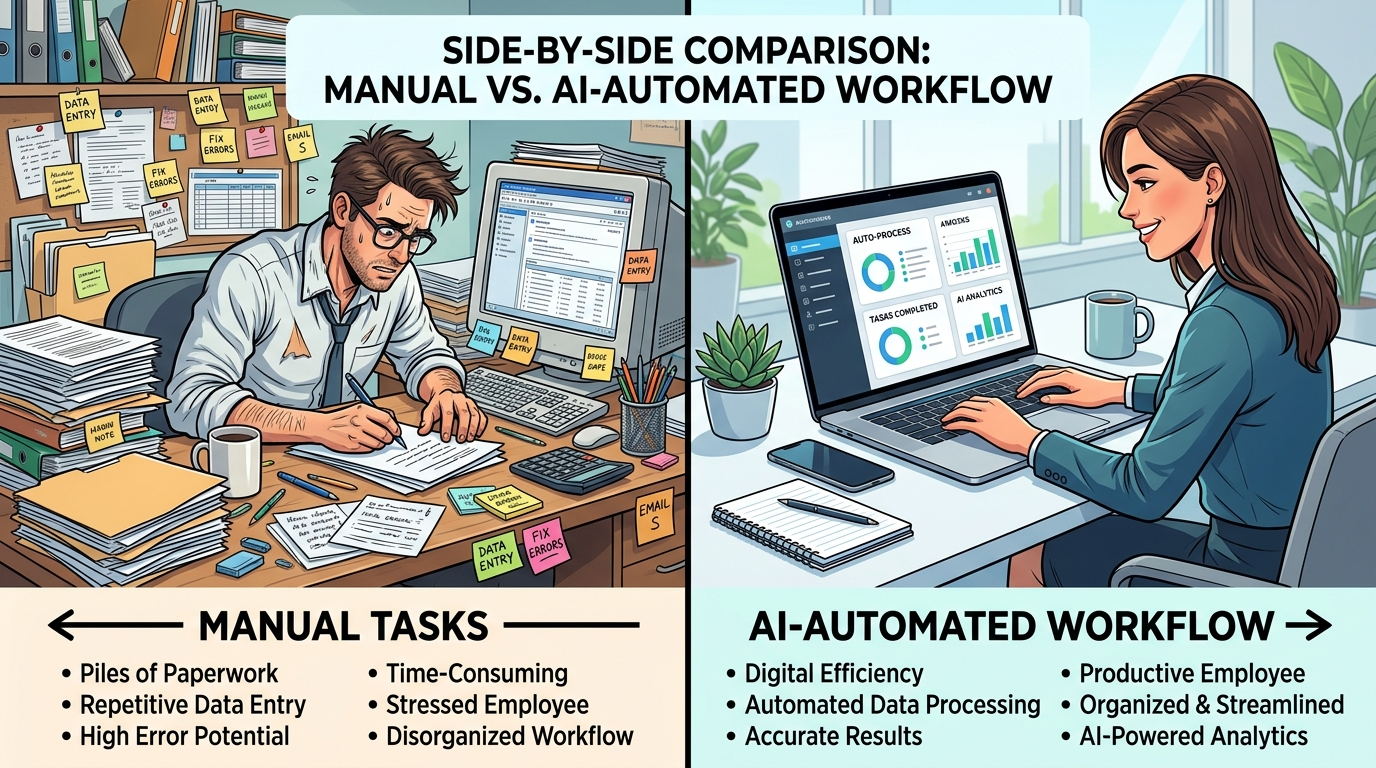
The typical small business owner now manages a median of five different AI tools daily. These tools aren't just for writing poems or making funny pictures. They are being used to handle the exhausting "busy work" that used to eat up 40 hours of your week.
In 2026, running a local business without AI isn't just difficult—it’s expensive. Owners using AI report saving tens of thousands of dollars annually by consolidating software and reducing administrative payroll.
If you feel like you're falling behind, you aren't alone. But the gap between the "tech-savvy" and the "traditional" shop owner is closing fast thanks to tools that require zero coding knowledge.
The goal is simple: use AI to handle the back-office noise so you can spend more time facing your customers. Here is how the most successful local shops are building their small business AI stack to dominate their local markets this year.
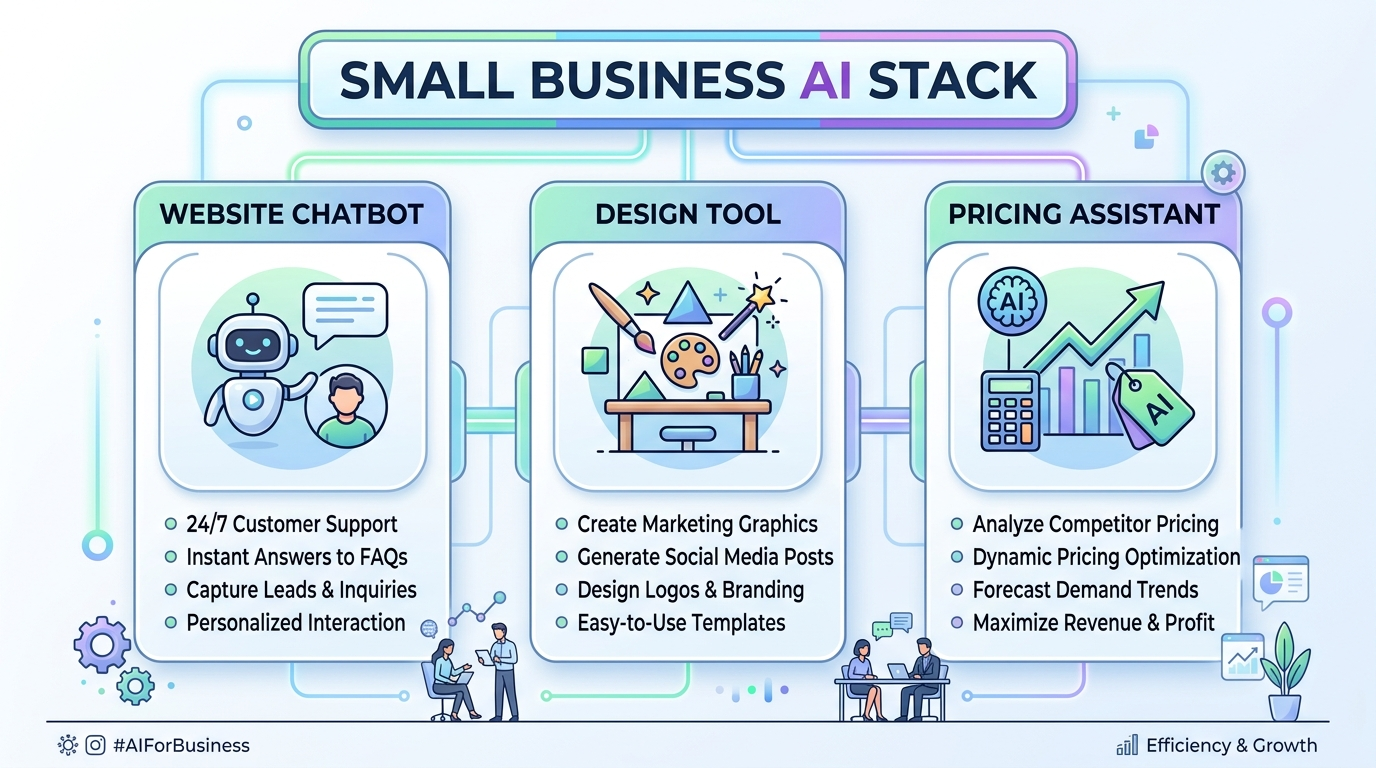
You don't need a hundred different subscriptions to see results. In fact, most high-performing local businesses rely on a core "stack" of five tools that talk to each other.
1. The General Assistant (ChatGPT or Claude): This is your 24/7 Chief of Staff. Local owners use these tools to draft professional emails, summarize complex local zoning laws, and brainstorm seasonal promotions in seconds.
2. The Visual Creator (Canva AI): Professional graphic designers are great, but for daily social posts, you need speed. Canva’s AI features allow you to generate flyers, Instagram reels, and storefront posters from a simple text prompt.
3. The Workflow Connector (Zapier): This is the glue of your business. Zapier links your apps together—like automatically sending a "Thank You" email from your Gmail whenever a new lead fills out a form on your website.
4. The Content Scheduler (Buffer or Hootsuite): AI marketing for local shops is all about consistency. These tools use AI to determine when your local audience is most active and automatically post your content while you’re busy serving customers.
5. The Smart CRM (Notion AI or HubSpot): Gone are the days of messy spreadsheets. These tools help you track every customer interaction, summarize meeting notes, and remind you exactly when to follow up with a past client.
Don't try to implement all five tools in one Monday morning. Start with one general assistant like ChatGPT and master it for one specific task, like drafting your weekly newsletter.
The Secret Revenue Booster: AI-Powered Pricing
One of the most overlooked AI tools for local businesses is automated pricing. While large retailers have used dynamic pricing for years, 2026 has brought this technology to the neighborhood level.
Currently, 35% of small businesses are already using automated pricing tools to adjust their rates in real-time. The results are hard to ignore: 97% of those businesses report a direct, positive impact on their total revenue.
How does it work for a local shop? These tools scan local demand, competitor pricing, and even current supply costs to suggest the optimal price for your services. If a local festival is happening and demand for your cafe or boutique spikes, the AI helps you capture that value.
Conversely, during slow periods, the AI can suggest targeted discounts to keep your inventory moving or your staff busy. 94% of owners say these tools have made them significantly more competitive against big-box retailers.
Avoid "setting and forgetting" your pricing. AI should provide the data-driven suggestion, but you should always maintain the final say to ensure your brand's reputation stays intact.
Handling Customer Service Without a 24/7 Staff
The "always-on" culture of 2026 means customers expect an answer in minutes, not hours. If you don't respond to a Google Business message or a website chat immediately, they move to the next listing.
AI for customer service has solved this problem for small teams. You can now set up AI chat widgets that are trained specifically on your business data. This isn't a generic bot; it knows your hours, your specific service menu, and your current availability.
- Automated Appointment Bookings: Link your AI chatbot directly to your calendar. Customers can book a hair appointment or a plumbing consultation at 2 AM without you lifting a finger.
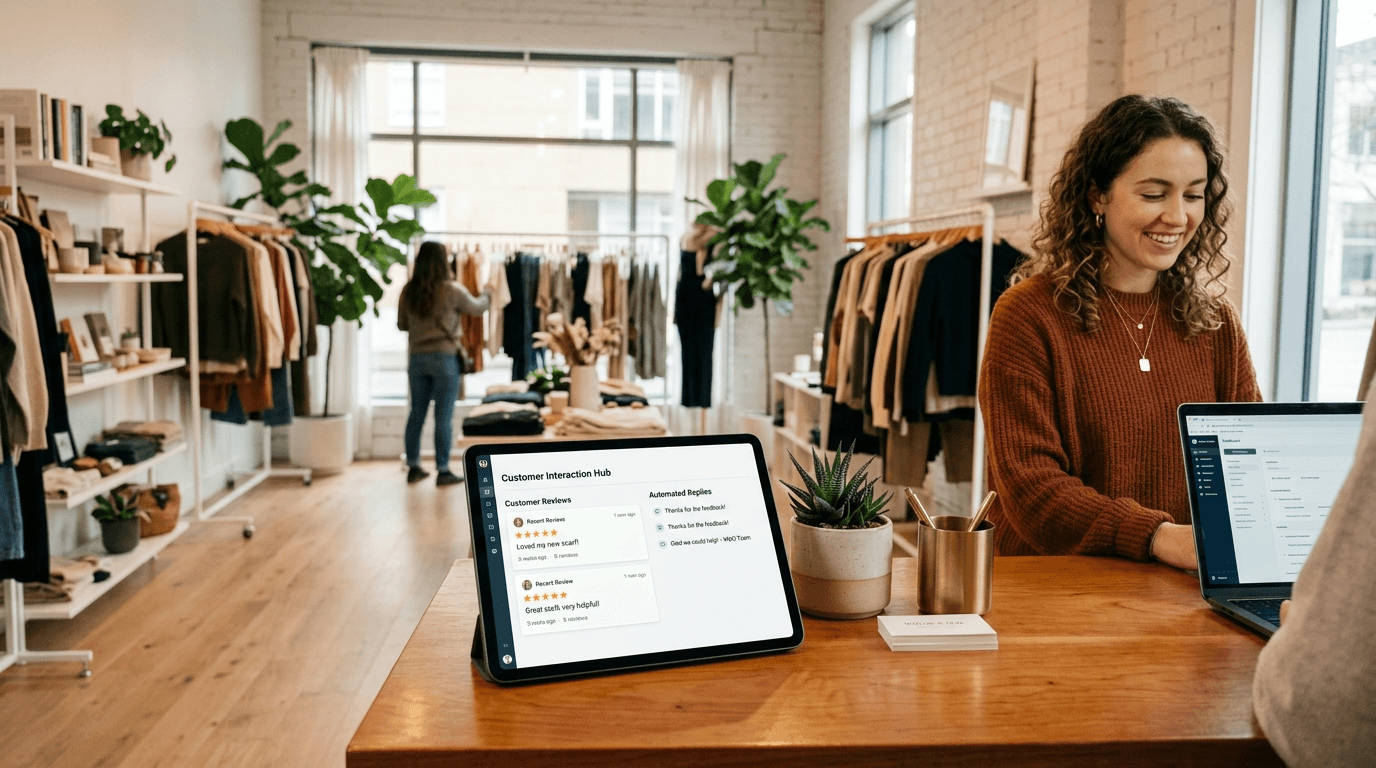
- Personalized Review Replies: AI can draft unique, thoughtful responses to every Google and Yelp review you receive. It ensures your brand looks active and appreciative of customer feedback.
- Instant FAQ Responses: Instead of answering "Do you have parking?" ten times a day, the AI handles the repetitive questions, only looping you in when a human touch is actually required.
Marketing Your Shop in Minutes, Not Hours
The biggest hurdle for local marketing has always been time. Most shop owners are too busy running the floor to worry about TikTok trends or SEO-optimized blog posts.
With no-code AI for small business, you can now turn one piece of content into a month's worth of marketing. For example, if you write a short update about a new product, AI tools like Pictory can instantly turn that text into a 30-second promo video with voiceover and captions.
You can also generate a full month of local social media captions in a single afternoon. By feeding the AI your specific zip code and target demographics, it can tailor the language to resonate with your actual neighbors.
Furthermore, AI-driven ad platforms now allow you to create targeted local ads that find customers exactly where they are. These systems optimize your budget automatically, ensuring you aren't wasting money on clicks from people three towns away.
Debunking the Myth: You Don't Need a Tech Degree
One of the biggest misconceptions in 2026 is that AI is "too technical" for the average business owner. This couldn't be further from the truth. Most modern AI tools are designed with a "no-code" philosophy.
If you can use a smartphone or send an email, you can use these tools. Most of them are "plug-and-play," meaning they connect directly to the software you are already using, like Square, Shopify, or Outlook.
Cost is also no longer a barrier. Many of the most powerful AI tools for local businesses offer free tiers or low-cost monthly subscriptions specifically designed for small budgets. You don't need a developer or a massive IT budget to start seeing a return on investment.
A recent case study showed a local landscaping company saved $4,000 a month in administrative costs by replacing three separate software subscriptions with one integrated AI assistant stack.
The transition to an AI-enabled business doesn't happen overnight. It happens one task at a time. Here is a simple checklist to get you moving today:
- Identify the "Grunt Work": List the three tasks you hate doing most every week. Usually, these are things like scheduling, data entry, or responding to basic emails.
- Pick One Tool: Choose one tool from the stack mentioned above to solve your biggest headache. If it's customer questions, start with a simple AI chat widget.
- Consolidate Your Apps: Look at your current monthly software bills. Can an AI tool like Notion or HubSpot replace three of your older, "dumb" apps?
- Train Your AI: Feed your tool your brand's "voice." Tell it how you like to talk to customers so the output feels authentic to your local shop.
If you want to stay ahead of the curve, you need to optimize your digital strategy now. The businesses that thrive in late 2026 will be those that used AI to become more human, not less.
Why should local businesses use AI in 2026?
Local businesses use AI to remain competitive against larger corporations and to reclaim time spent on administrative tasks. By 2026, AI has become the standard for managing customer service, pricing, and local marketing with minimal overhead.
Is AI expensive for small shops and services?
No. Most AI tools offer "freemium" models or small business tiers that cost less than a typical utility bill. Many owners actually save money by using AI to consolidate multiple expensive software subscriptions into a single stack.
Not at all. The current generation of AI tools is built on "no-code" platforms. If you can type a sentence or click a button, you can use these tools to automate your business operations and marketing.
Ready to see how AI can transform your specific business? CodeRift Agency helps local businesses build high-performing AI stacks that drive real revenue. Book your free AI audit call today and let’s stop the busy work together.